The Invisible Climate Crisis: How Climate Change Is Reshaping Childcare in Kenya
By Erastus Ooko – Environment and Climate Change Assistant, WUSC
“When the rains come, my daycare turns into a swimming pool. Depending on how long the rains last, our operations are paralyzed.” – Home-based childcare provider, Korogocho, Nairobi.
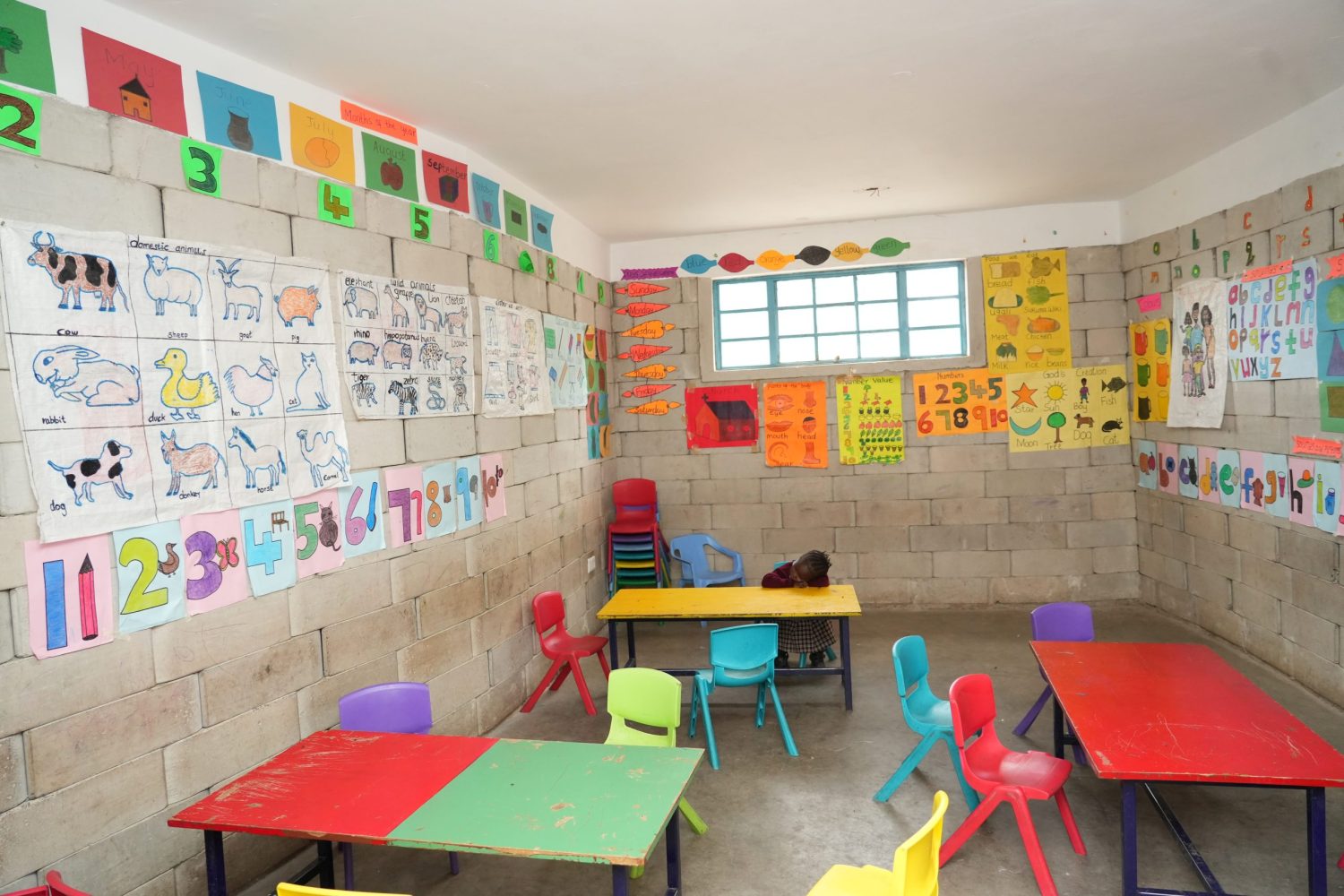
When climate change is discussed, images of melting glaciers, drying rivers, and flooded communities often come to mind. Rarely do we think of childcare centres. Yet in informal settlements across Kenya, climate change is quietly disrupting the spaces where young children learn, play, and receive care.
The Action for Paid Childcare Sector Transformation (ACT) project has spent the last two years documenting a reality that is often overlooked: climate change is affecting childcare, and childcare must be part of climate solutions. ACT is a World University Service of Canada (WUSC) – led initiative funded by Global Affairs Canada (GAC) and implemented by Coalition on Violence Against Women (COVAW) in Kenya and The Women’s Legal Resources Centre (WOLREC) in Malawi.
The Daily Burden: Water, Waste and Care Work
According to the Baseline Study conducted by ACT in Nairobi, Kisumu, and Kakamega in 2025, found that women childcare providers spend an average of three to four hours each day fetching water. During droughts, this burden increases as water sources dry up, prices rise, and queues grow longer. Time spent securing water is time taken away from childcare, income-generating activities, and rest.
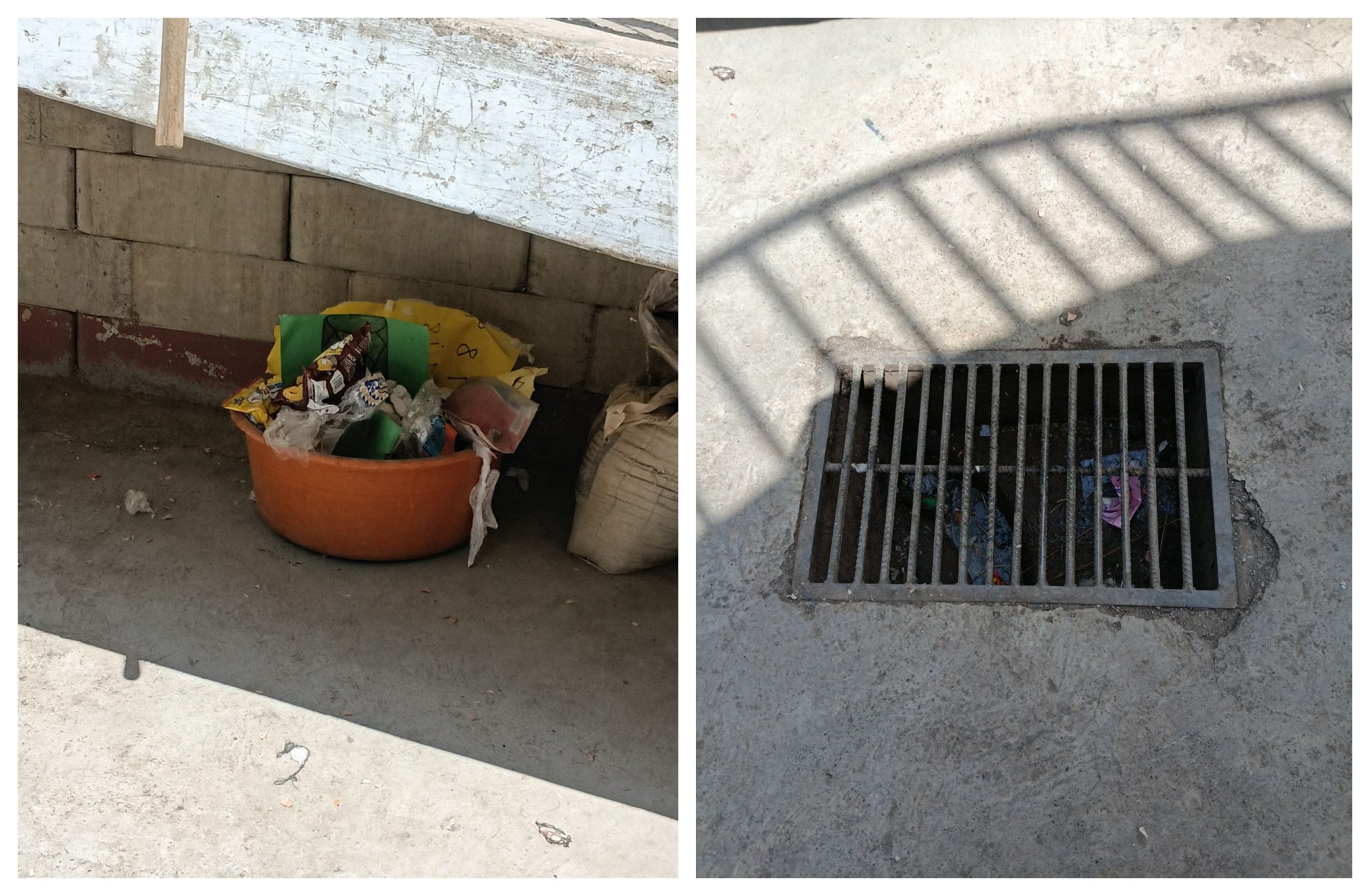
Waste management presents another challenge. In many low-income communities, formal waste collection services are limited or nonexistent. As a result, childcare providers often resort to open dumping or burning waste, exposing both children and caregivers to harmful pollutants. Women, who are typically responsible for managing waste in childcare centres, bear the health risks associated with these unsafe practices.
Energy, Flooding and Growing Vulnerability
Most childcare centres rely on charcoal, firewood, or kerosene for cooking, exposing children to indoor air pollution linked to respiratory illnesses. Those who use cleaner energy sources such as liquefied petroleum gas (LPG) often struggle with the high and unpredictable fuel costs, placing additional pressure on already limited incomes.
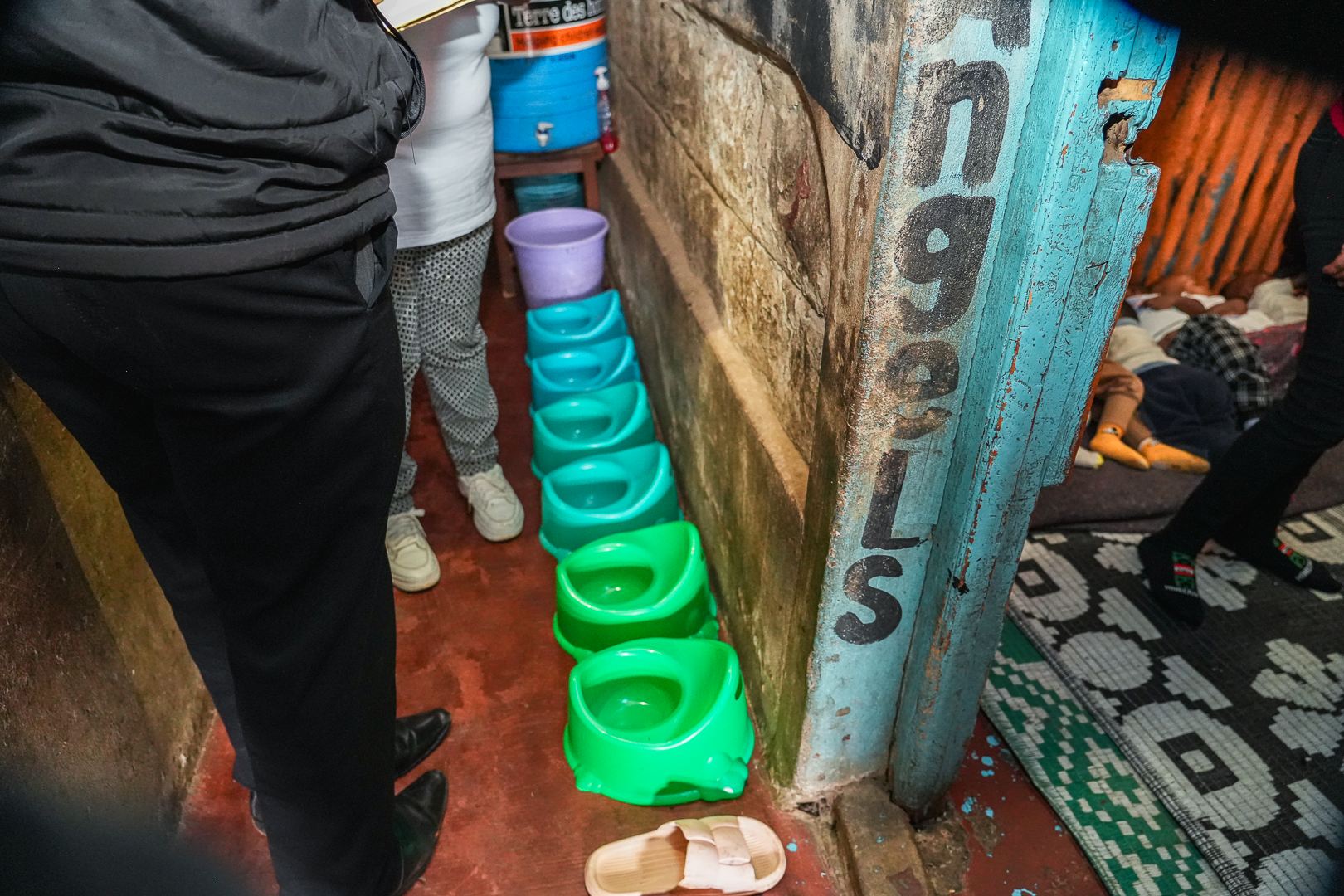
Flooding further threatens childcare services. Many affordable childcare centres operate in low-lying areas that are highly vulnerable to seasonal floods. Heavy rains can damage facilities and learning materials, disrupt attendance, and create stagnant water that increases the risk of disease outbreaks. Climate shocks also affect families’ livelihoods, reducing their ability to pay for childcare and undermining the stability of the sector.
Why Women Are Hit Hardest
The impacts of climate change are not gender-neutral. Women childcare providers already shoulder unpaid care responsibilities while working in a sector that remains largely informal and unregulated. Climate-related challenges such as water shortages, flooding, and rising energy costs add to this burden, particularly for rural providers, home-based caregivers, and women living with disabilities.
Yet these women are not merely victims of climate change; they are also driving solutions. ACT’s research found that 92% of centre-based providers would be willing to take loans to invest in climate-resilient improvements such as water tanks, solar lighting, and improved cookstoves. These investments respond to a clear demand from parents for safe, healthy childcare environments.
Building Climate-Resilient Childcare
ACT is working to strengthen the childcare sector’s resilience to climate change. The project partners with financial institutions to develop accessible green financing solutions and supports savings groups that enable providers to invest in climate-smart improvements. It also works with county governments to integrate environmental standards into childcare policies and licensing frameworks. In Kakamega, ACT is contributing to the development of the county’s first Care Policy, helping ensure climate resilience is embedded from the outset.
Central to this work is elevating the voices of women childcare providers and ensuring they are represented in climate planning, water governance, and disaster preparedness processes.
What Must Be Done
The evidence is clear: strengthening childcare systems requires addressing the climate and environmental challenges that shape providers’ daily realities. Safe water, clean energy, effective waste management, and climate-resilient infrastructure are not optional; they are essential for children’s well-being and quality care.
Based on its research and engagement with childcare providers in Kenya and Malawi, ACT recommends four priority actions:
- Expand access to green finance. Financial institutions should develop affordable financing products that enable providers to invest in water storage, clean energy, and other climate-resilient improvements.
- Integrate climate resilience into caregiver training. Childcare training programmes should include practical skills in water conservation, waste management, clean energy use, and disaster preparedness.
- Invest in climate-resilient childcare infrastructure. County governments should prioritize rainwater harvesting, improved drainage systems, and clean energy solutions, particularly in flood-prone and water-scarce areas.
- Ensure women providers participate in climate decision-making. Childcare providers should have a seat at the table in water governance structures, disaster planning committees, and climate financing initiatives, with recognition and compensation for their time and expertise.
Climate change is already reshaping childcare across Kenya. Recognizing and addressing this reality is essential not only for protecting children and supporting women providers but also for building more resilient communities for the future.