Our Work
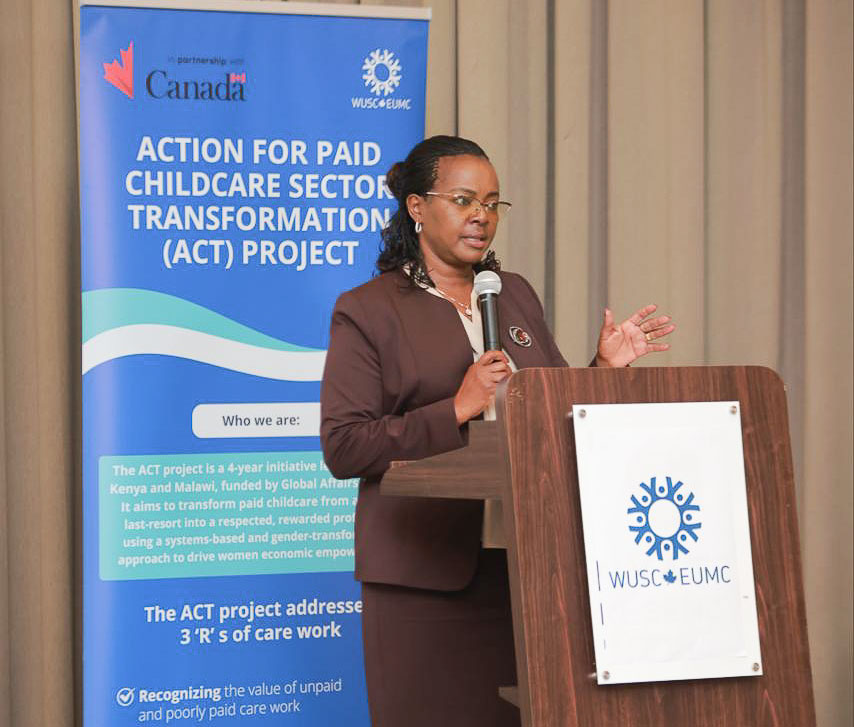
Action for Paid Childcare Sector Transformation(ACT)
The Action for Paid Childcare Sector Transformation (ACT) project is a four-year collaborative initiative funded by Global Affairs Canada and implemented in Kenya and Malawi with World University Services of Canada as the lead partner. The project aims to transform paid childcare work from a job of last resort into a vocation of choice, a dignified, fairly compensated, and recognized profession.
Read More
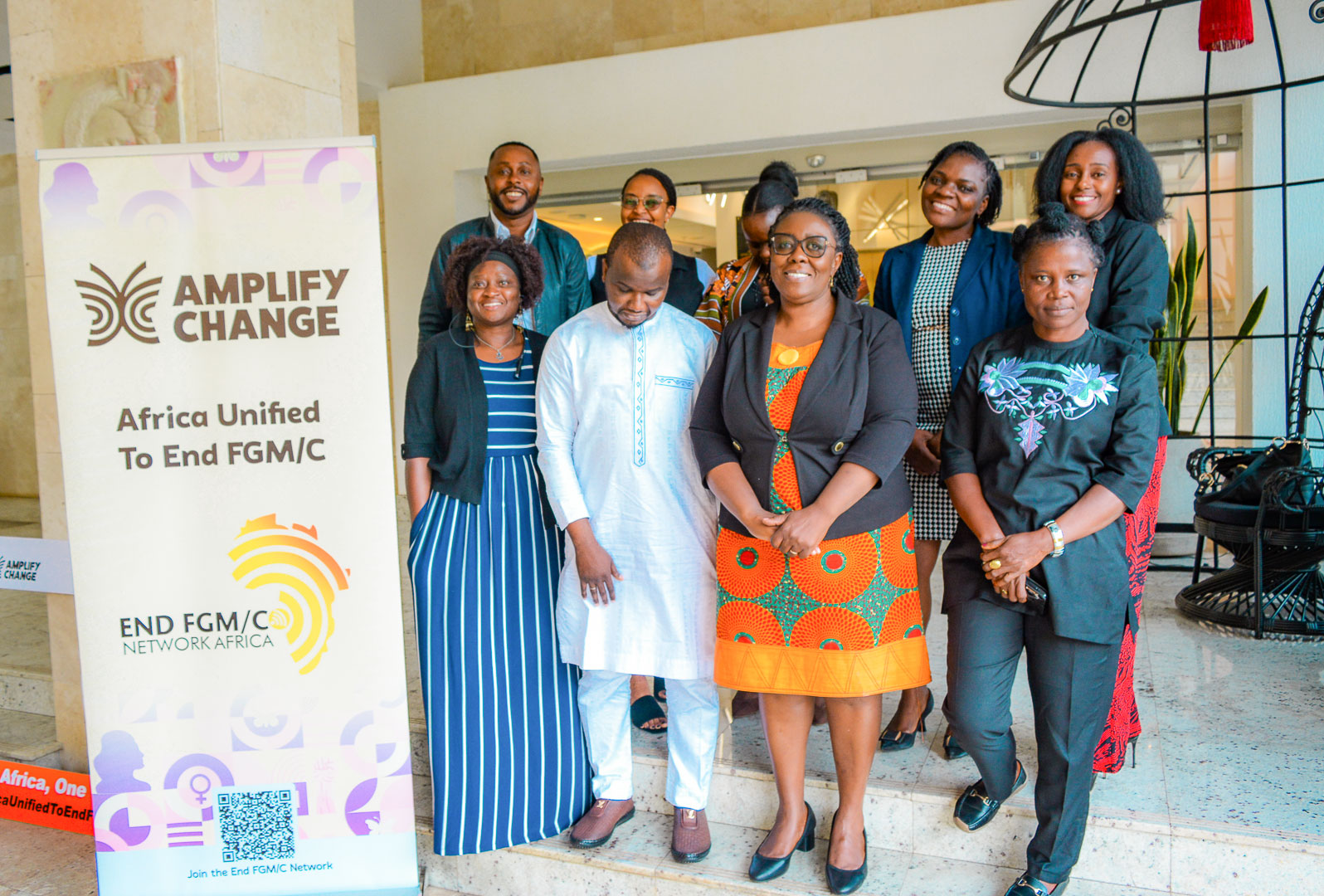
End FGM Network Africa
End FGM/C Network Africa (The African Network) is an African-led coalition launched on October 10, 2023, during the African Union’s 2nd International Conference on FGM in Dar es Salaam, Tanzania. The Network aims to eliminate Female Genital Mutilation/Cutting (FGM/C) across the continent.
Read More
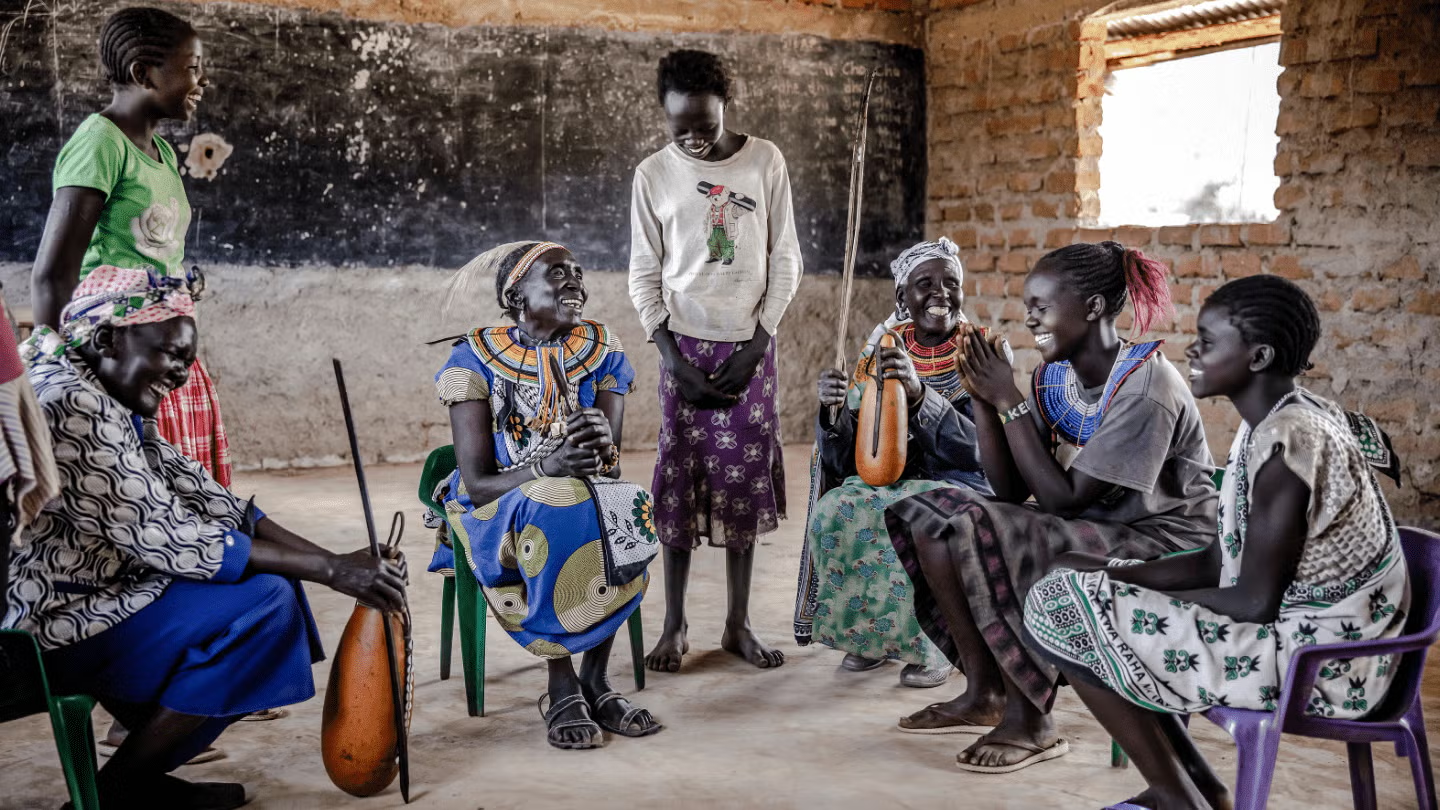
Komesha FGM Sasa! Project
Komesha FGM Sasa! is a three year programme led by UNFPA Kenya and funded by the European Union. In Kenya, the project focuses on strengthening community-led mechanisms for FGM prevention and response, increasing access to locally based support services, and enhancing the skills of frontline actors to advocate, manage cases, and drive social change.
Read More
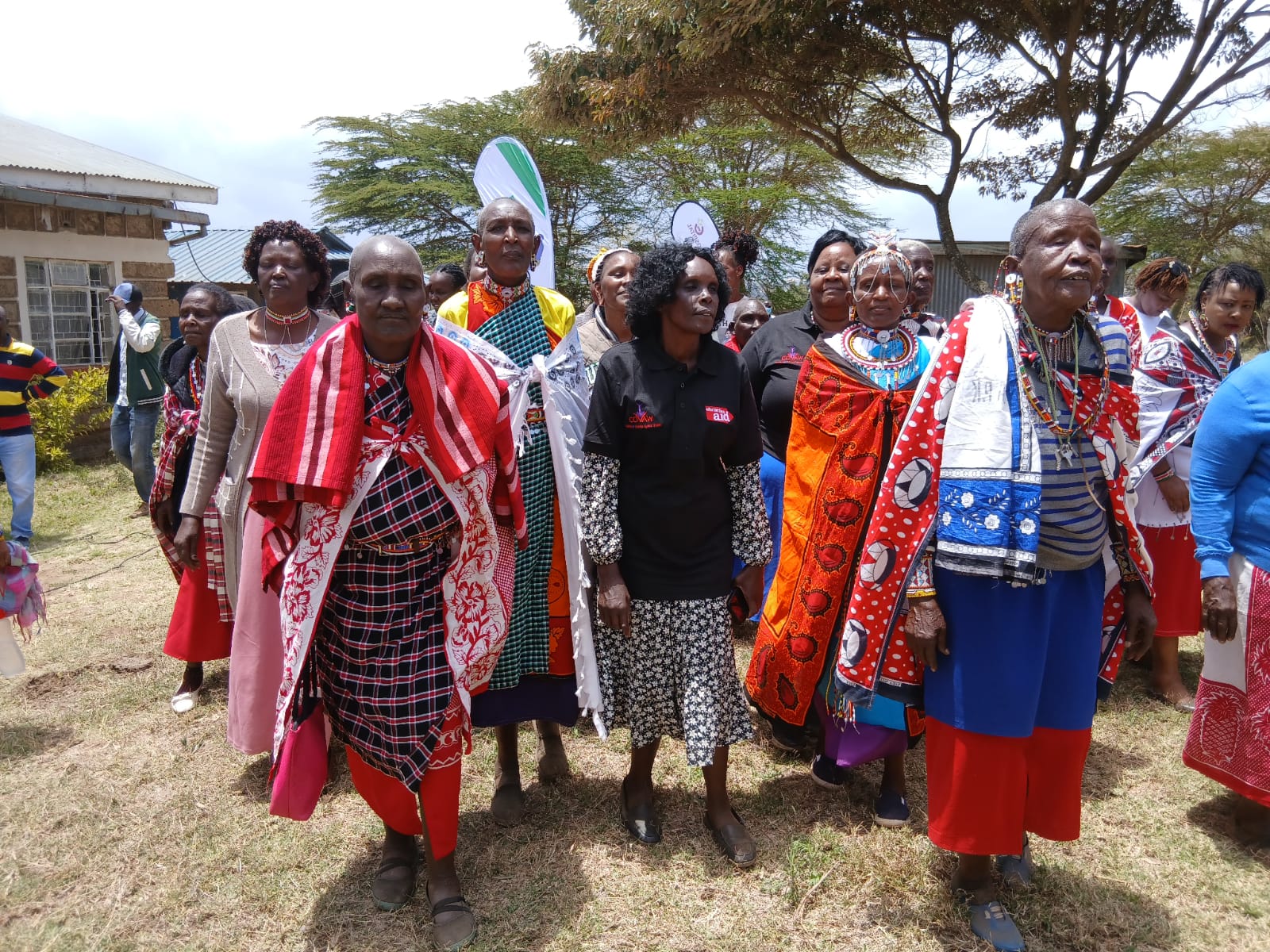
Weaving a Safer Future for Older Women in Narok County
With support from Christian Aid Kenya, COVAW is implementing a project titled “Weaving a Safer Future for Older Women in Narok County.” Through this initiative, COVAW is working closely with national and county governments and the civil society to: Challenge and transform harmful social norms that perpetuate Sexual & Gender Based Violence (SGBV) against older women; Strengthen community accountability structures towards SGBV prevention and response and promote access to justice for survivors of SGBV.
Read More
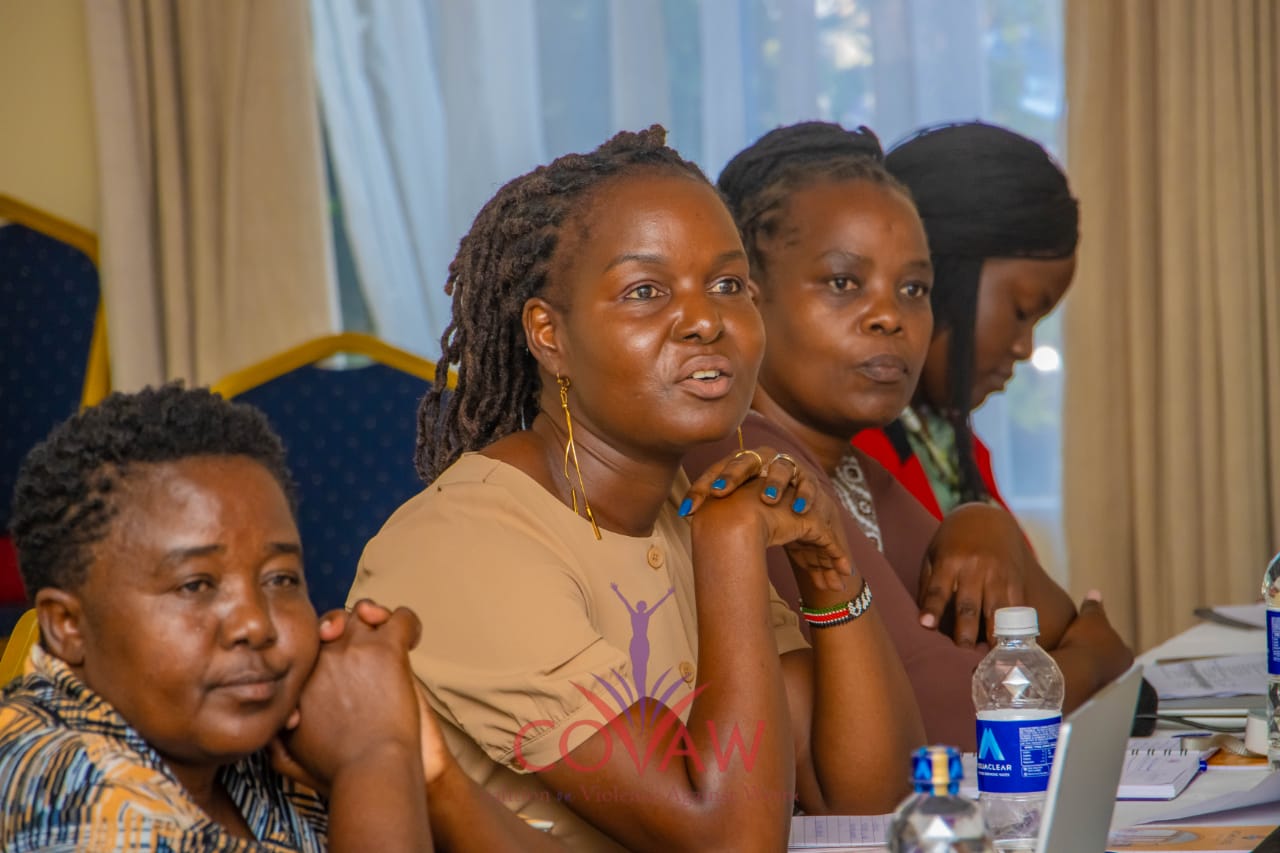
Making All Spaces Safe (MASS)
In an effort to address the rising cases of TFGBV, COVAW is implementing the Making All Spaces Safe (MASS) Project, a UNFPA-supported initiative designed to prevent and respond to Technology-Facilitated Gender-Based Violence (TFGBV). The project seeks to strengthen national prevention and response mechanisms through multi-sectoral engagement, capacity-building of service providers, and the development of policy and operational guidelines that integrate TFGBV into existing case management and referral systems.
Read More
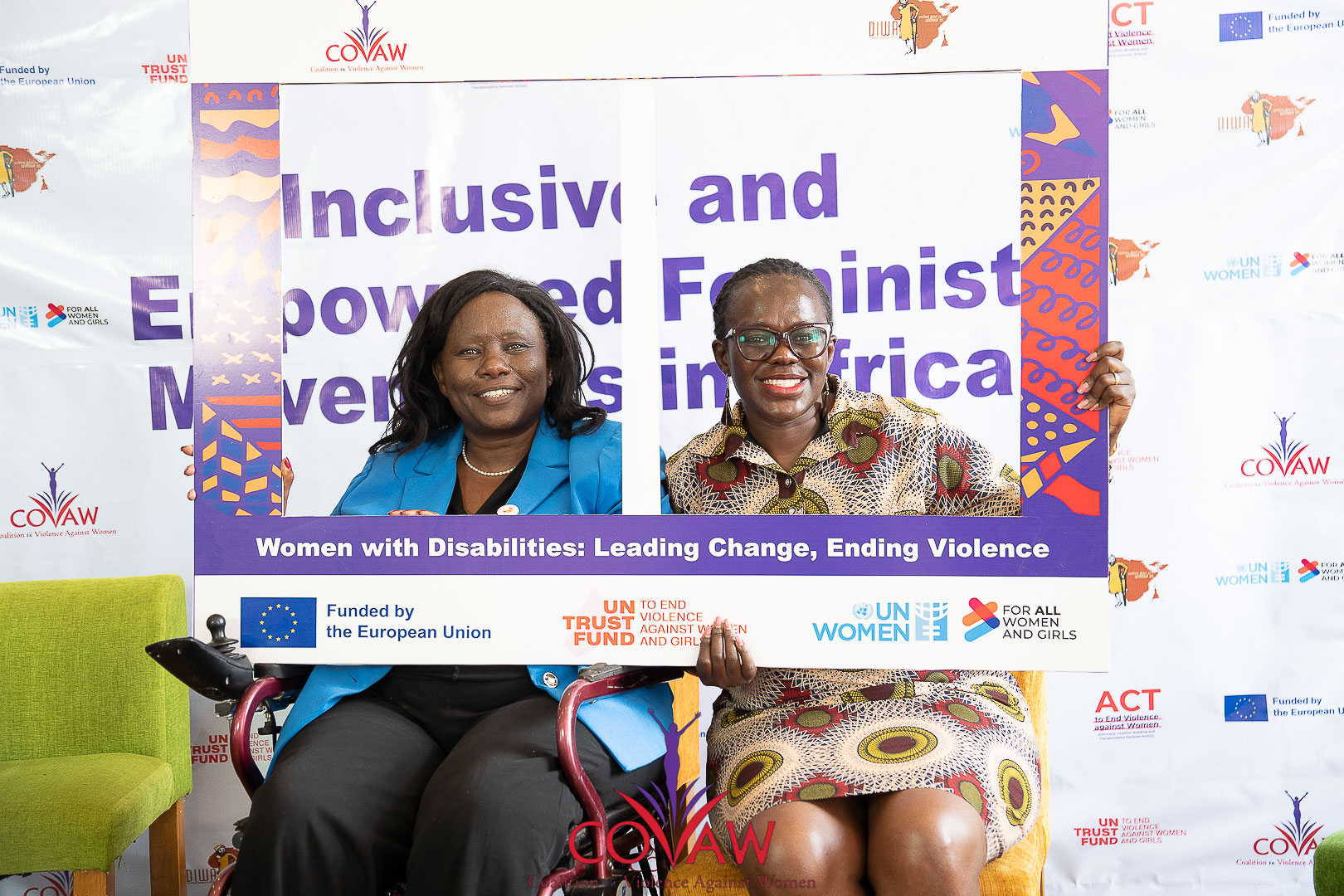
Inclusive and Empowered Feminist Movements in Africa
Movements led by women with disabilities have often been excluded from mainstream and feminist movements, resulting in their advocacy efforts being seen solely as disability issues rather than being included in the broader women’s and feminist movements.
Read More
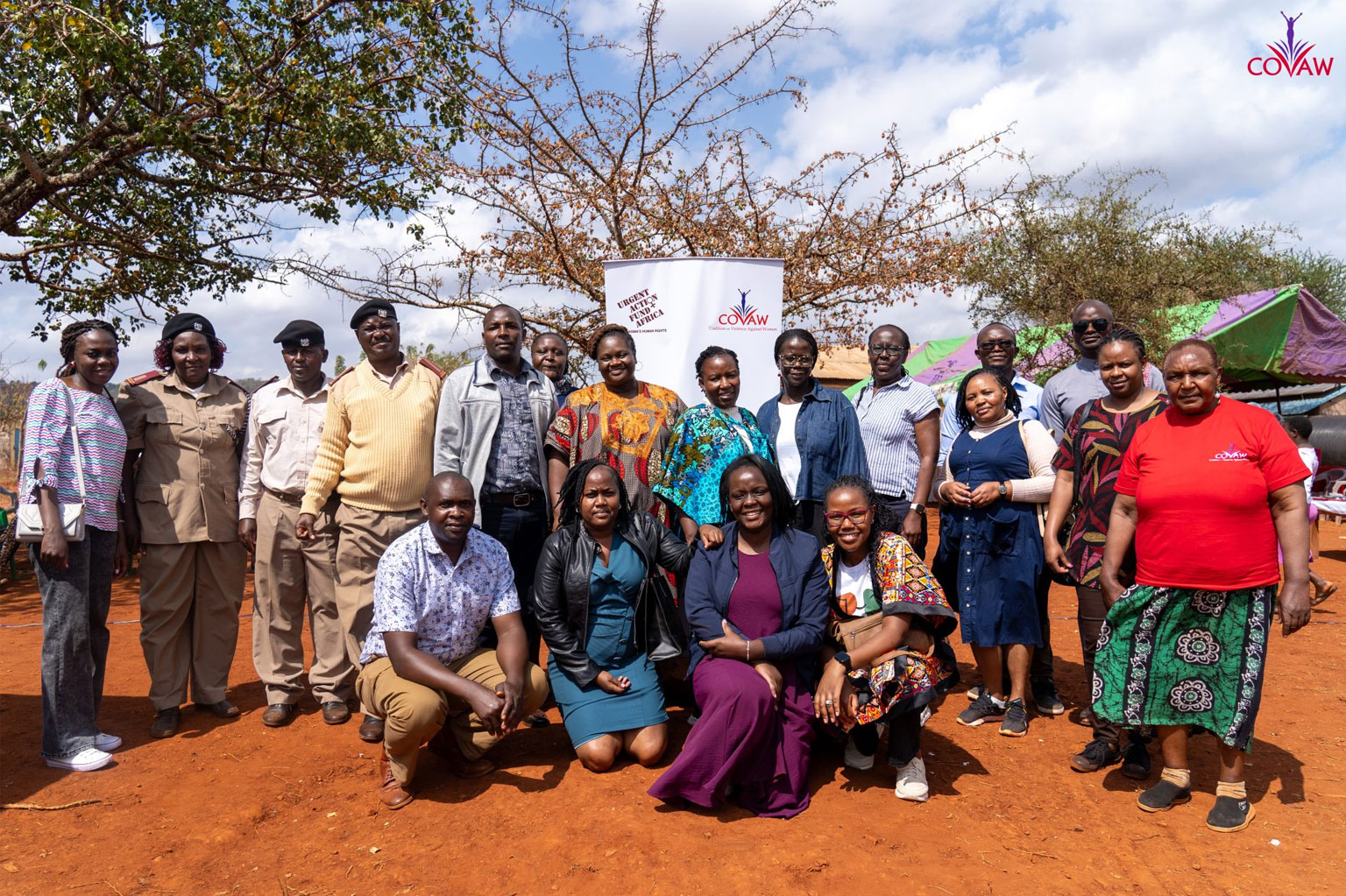
UAF- Building a Safer Muselele
COVAW, in partnership with Urgent Action Fund-Africa (UAF-Africa), is implementing a community-driven project to address sexual and gender-based violence (SGBV) in Muselele, Kitui County. The project prioritizes community-driven approaches, integrating local cultural contexts with practical solutions to tackle the root causes of violence and to support survivors of SGBV.
Read More
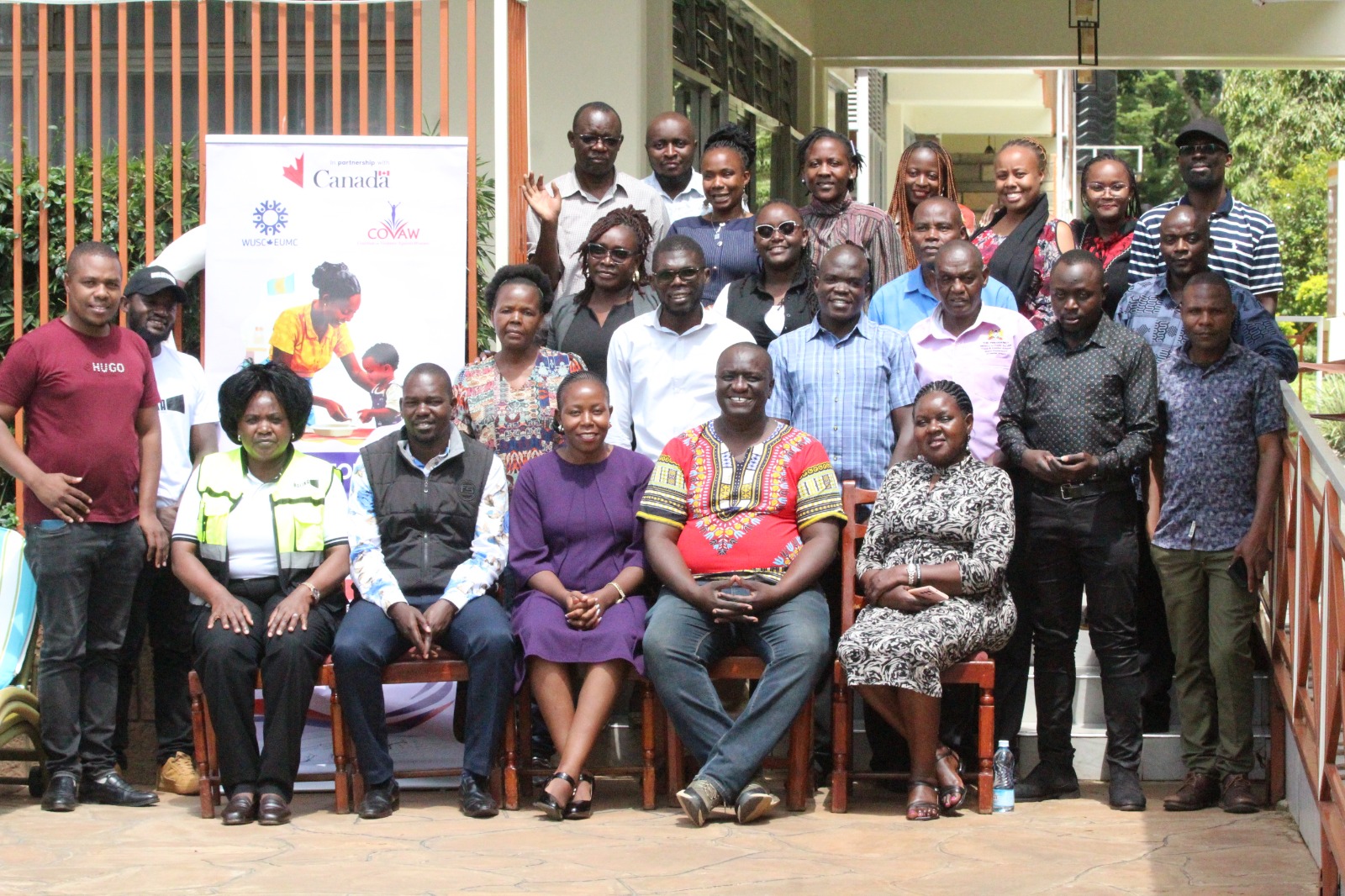
Amplifying the Voices of Survivors of Sexual and Gender Based Violence with Intellectual Disabilities to Inform Policies and Interventions
The project focused on amplifying the voices of women with intellectual disabilities who are survivors of Sexual and Gender Based Violence.
Read More
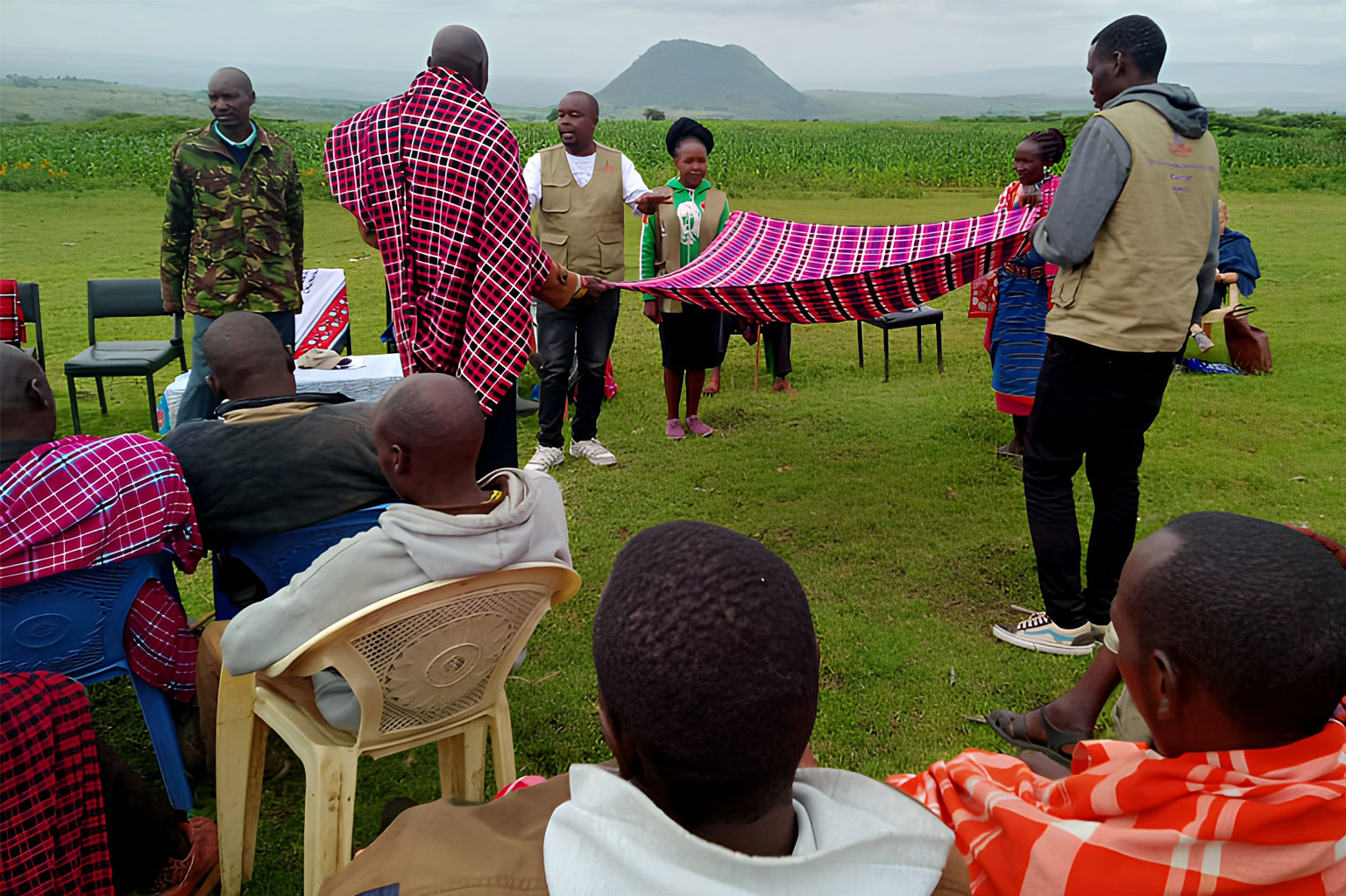
Ending FGM in Narok County titled Ailepu (Maa for Arise)
COVAW, with support from The Girl Generation (TGG): Africa Led Movement (ALM) Programme, is implementing a five-year project titled “Ailepu,” which means “Arise” in the “Maa” language. This project aims to significantly reduce the practice of Female Genital Mutilation/Cutting (FGM/C) in Narok County, specifically in Suswa Ward, Narok East Sub County, by fostering positive changes in social attitudes among community members toward ending FGM/C.
Read More
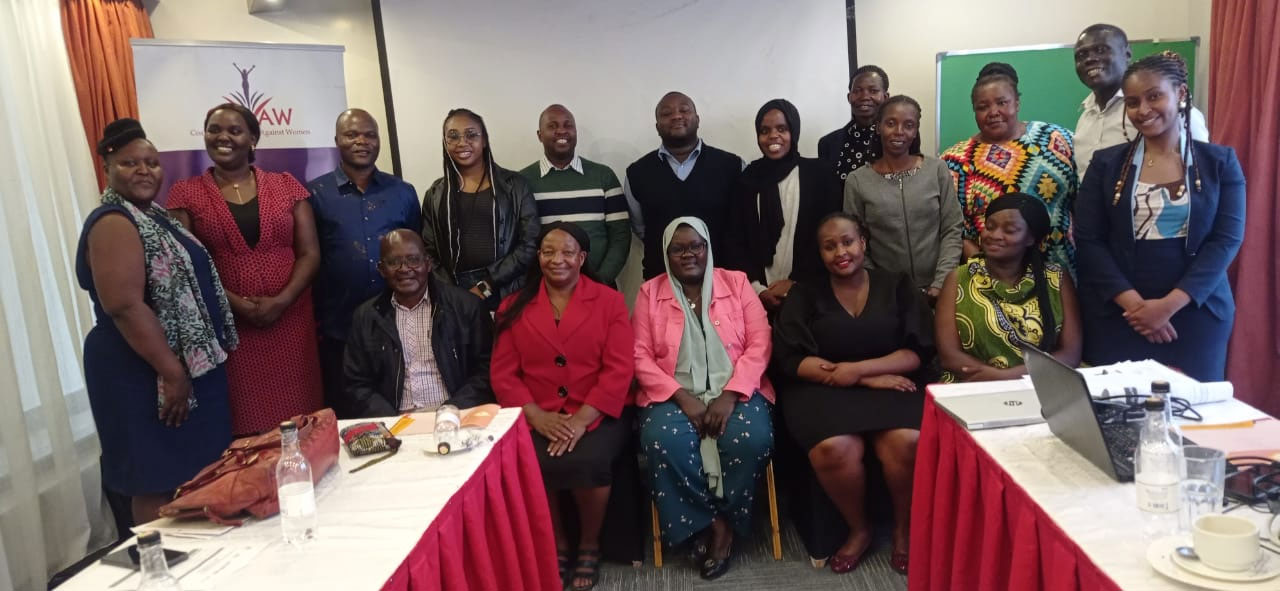
Advancing Sexual Reproductive Health Rights in Kenya
The Coalition on Violence Against Women (COVAW), in partnership with the Strategic Initiative for Women in the Horn of Africa (SIHA), the Solidarity for African Women’s Rights (SOAWR), and Equality Now, is spearheading a project to advocate for the lifting of Kenya’s reservations under the Maputo Protocol. This initiative seeks to advance Sexual Reproductive Health Rights (SRHR) in Kenya through legal reforms, knowledge-sharing, and collaborative action among stakeholders, ensuring women and girls access their full rights as outlined in the Protocol.
Read More
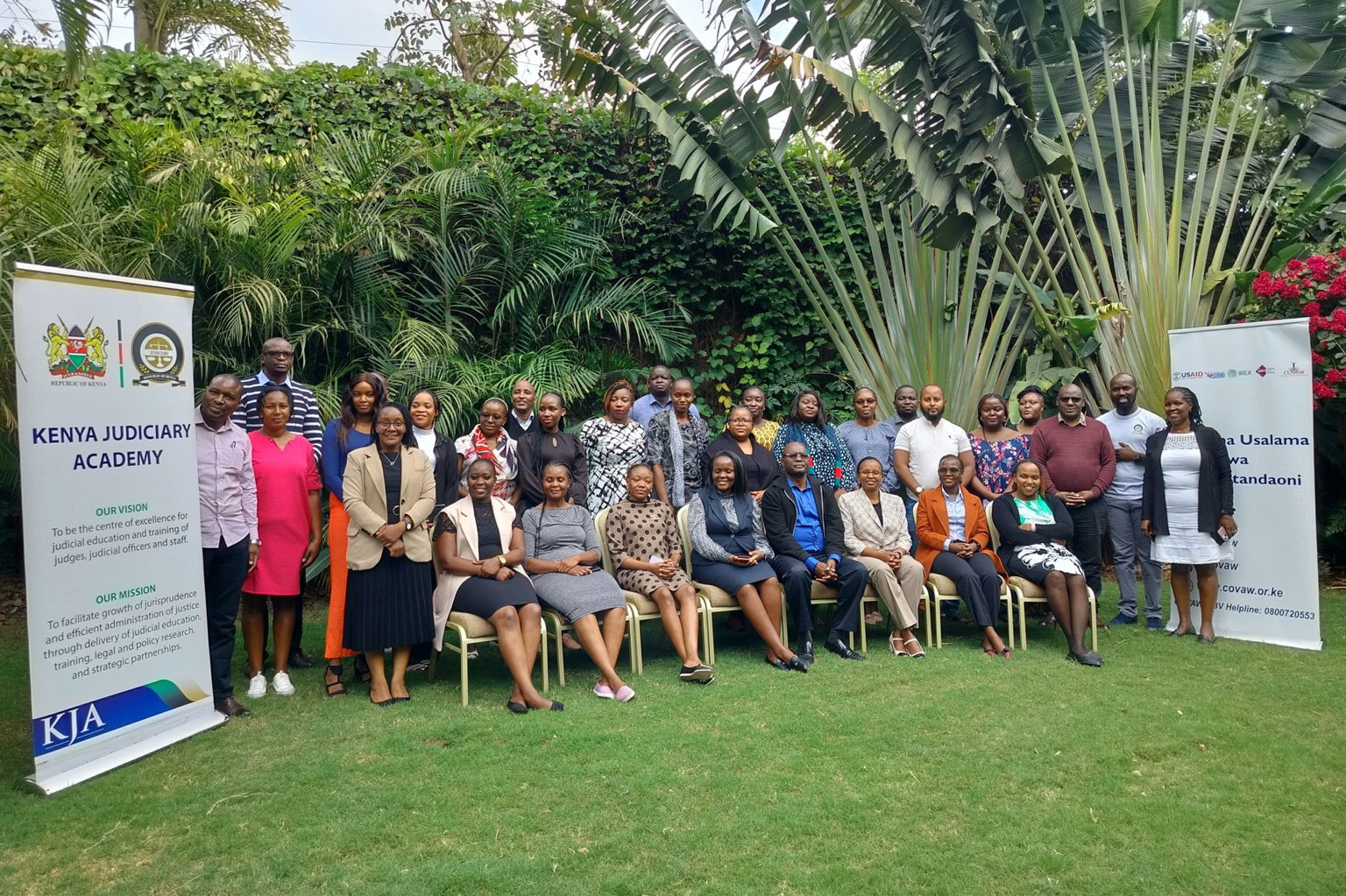
Transform Digital Spaces Program
Transform Digital Spaces (Transform) is a three-year USAID funded global pilot initiative, which supports practical approaches to preventing, mitigating, and responding to Technology-Facilitated Gender Based Violence (TFGBV), with a focus on addressing violence experienced by women in politics and public life(WIPPL).
Read More
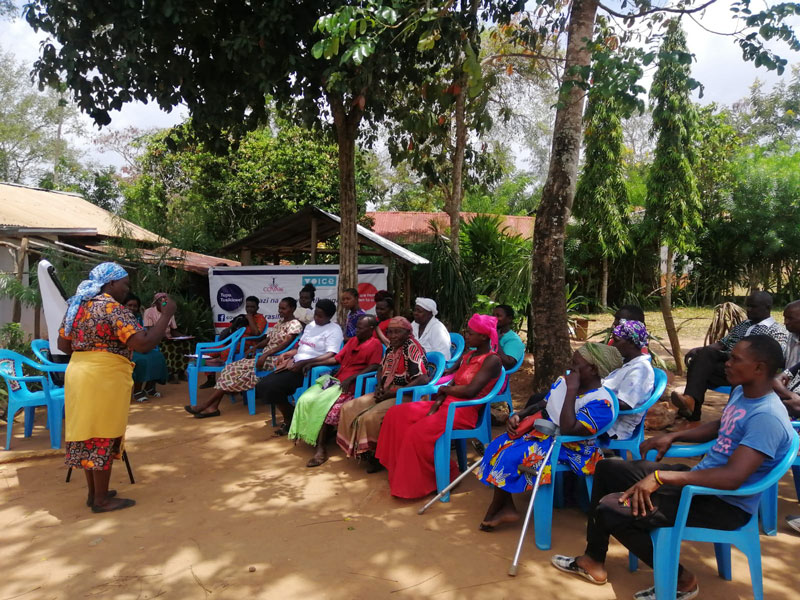
Tupo Tusikizwe
COVAW, with support from Voice Global, is implementing a four-year project titled Tupo. Tusikizwe (“We are here. Listen to us”) in Kwale County. This initiative is designed to enhance the participation of persons with disabilities in the county budget-making process, empowering marginalized women and girls, including those with disabilities, to actively engage in and influence budget decisions.
Read More
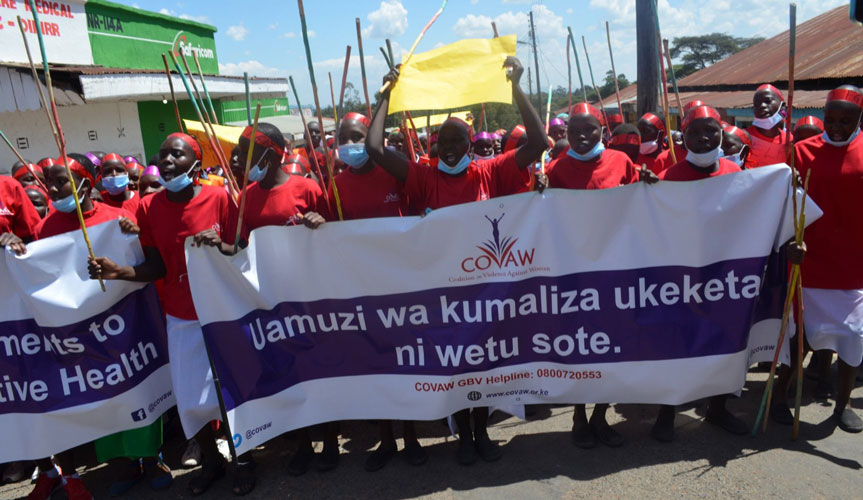
Accelerate an end to Female Genital Cutting (FGC) amongst the Maasai and Samburu communities in Kenya
The ‘Accelerate an end to Female Genital Cutting (FGC) amongst the Maasai and Samburu communities in Kenya’ project is focused on reducing FGC prevalence across all 6 sub-counties in Narok including Loita Hills.
Read More
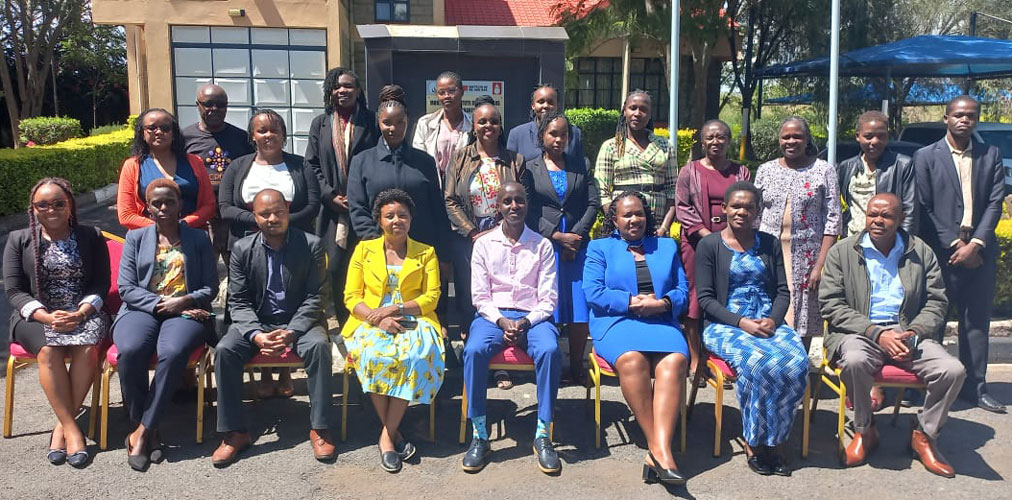
Securing Change: Popularizing and Strengthening the Implementation of the Maputo Protocol in Kenya
This is a one-year project funded by Equality Now. The project aims to popularize and strengthen the implementation of the Maputo Protocol in the areas where COVAW has identified gaps and needs for intervention within the Kenyan context.
Read More
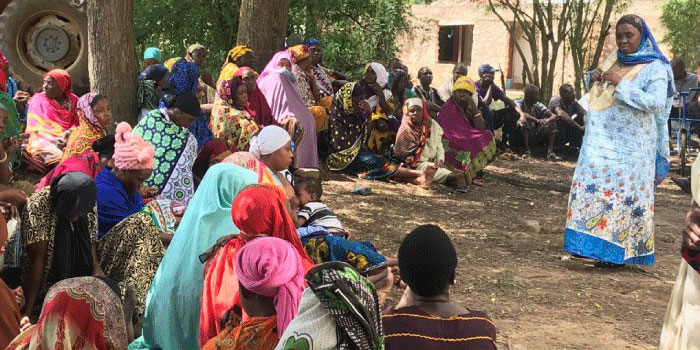
Girls Advocacy Alliance Project
The Girls Advocacy Alliance (GAA) was a 5-year joint project (2016-2020) led by the Dutch offices of Plan International, Terre des Hommes, and Defense for Children – ECPAT and funded by the Ministry of Foreign Affairs.
Read More
COVAW Project on Enhancing Access to Justice for Sexual and Gender Based Violence Victims.
COVAW with support from African Women’s Development Fund (AWDF) implemented a two-year project titled ‘Enhancing Access to Justice for Sexual and Gender Based Violence Victims, with Intellectual Disabilities in Nairobi, Narok and Kiambu Counties.’
Read More
Christian Aid
COVAW with Support from Christian Aid Kenya implemented a two-year project in 2022 and 2022 titled Enhancing Access to Comprehensive Sexual and Gender-Based Services during the COVID-19 period. The project was implemented in six informal settlements including Kiandutu and Ruiru in Kiambu County and Mathare, Kawangware, Korogocho and Mwiki in Nairobi County.
Read More