Inkampaani Women Group Takes the Lead in End-FGM/C Campaigns at the Community Level.
| Organization’s Name: | COVAW (Coalition on Violence Against Women) |
| Project title: | AILEPU (Maa for Arise) |
| County: | NAROK |
| Organisational level (Low, Medium, Anchor) | Anchor Grantee |
| Reporting Period | Y4-Q1 |
| Disclaimers (if any) or Definitions of key terminologies (where necessary) | |
Summary:
This is a testament to how a group of women in ‘Inkampaani’ village in Narok East came together, bound by one goal—to protect girls and young women from FGM/C. Through innovation and unwavering resilience, they empowered each other and set a powerful example of grassroots leadership and sustainable change.
Context:
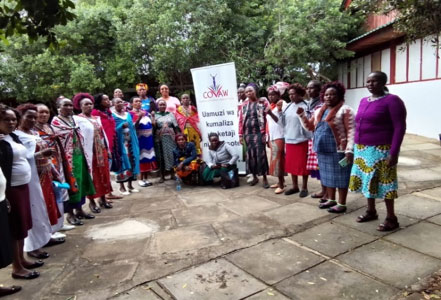 In Narok East, Kenya, efforts to end FGM/C face significant challenges, mainly due to the insufficient inclusion of women in program design, leadership, and decision-making processes. FGM/C, deeply rooted in cultural traditions among the Maasai community, persists despite national laws prohibiting the practice. Women, often the most directly affected, are underrepresented in key roles shaping end-FGM/C interventions.
The exclusion of women from these programs limits their effectiveness. Traditional gatekeepers, such as elders, dominate discussions, while women’s voices, experiences, and insights into the community’s social dynamics remain marginalized. This disconnect undermines efforts to design sustainable solutions.
Solution:
In full recognition of one of the core principles/values of the TGG-ALM program, Women & Girl Centered programming. COVAW has deliberately structured its implementation strategies to bring women and girls at the centre of its implementation strategies.
Leveraging women groups to spearhead movements to end FGM/C at the community level has proven the viability of sustainable change. This journey began with the careful selection of the most vibrant and consistent women groups in the 13 areas of implementation groups per area/village. Each group selected a leader who attended a two-day capacity-building engagement organized and facilitated by COVAW.
The training focused on building the capacities of women group leaders to establish end-FGM/C movements within their respective communities and sustain them. After this engagement, the women drafted action plans with well-thought-out strategies on how they would utilize their groups to be agents of change and instruments of disseminating credible information on all matters regarding FGM/C as an outright violation of human rights.
Inkampaani village women’s group has stood out as one of the groups that deliberately implemented all they learned during the capacity-building workshop and innovated community outreach activities to address their unique context within their village.
Evidence of Change:
The Inkampaani women’s group leader called an urgent meeting, and COVAW’s representative was in attendance. She accurately disseminated all the information she had gathered to the group members. The women unanimously endorsed the messaging on end-FGM/C, and as a starting point, they committed to renewing their dormant group certificate for more structural group operations and recognition. The group certificate renewal was done per the agreement within a week.
The group started holding regular meetings and realized the importance of conducting household visits to raise awareness and recruit more women. They called this household awareness activity the “boma initiative,” which focused on reaching out to each household. These efforts paid off as the group meetings began to attract more significant numbers and more inquiries about joining.
Some men in the community were initially hesitant about allowing their wives to participate in the initiative. However, the determined Inkampaani women persevered and effectively demonstrated the numerous benefits of the groups to the men. Through collaborative efforts with local clergy, the women successfully engaged the men and gradually won their support. Some men were so supportive that they even began paying membership fees for their spouses.
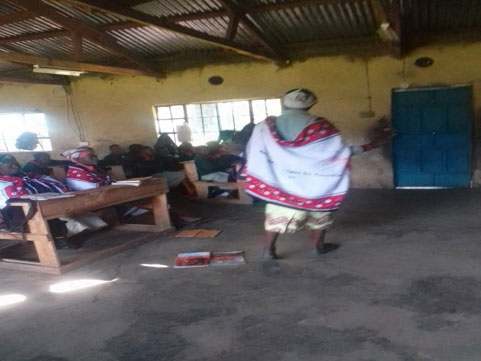 Furthermore, to bond with their daughters and have meaningful conversations about sanitation, hygiene, and adolescent reproductive health, the women have teamed up with a local community health promoter.
Together, they visit schools to educate the girls on these topics while also spreading awareness about ending FGM/C. Their school programs have been effective, as they use enjoyable methods to engage the students, such as mother-daughter sports competitions and traditional music lessons. These school and community visits have been made possible through their group fund. Since they started these targeted interventions in June 2024, they have visited 40 households, recruited 30 more members to their groups who have shown consistency, and distributed sanitary packs to 100 girls within the primary school in their community.
“I am proud to be associated with these impactful women; now I am at peace knowing that our daughters are in safe hands and will not experience FGM”, said Amos Pempa, Clergy, Inkampaani Village.
“Sisi huogopa sana tukifunga shule keuenda holiday hasaa December kwa sababu msimu huo ndio ukeketaji unafanyika, kwa kupitia hii group ya kina mama na vile wametufunza na waka-ahidi watatulinda sasa ninajua sitakeketwa,nawashukuru sana”, ~ Gladys Nasieku, 11 year old, Inkampaani primary school
Lessons Learnt:
The greatest take-out from this story of impact is that indeed communities within our areas of implementation have great intellectual resources to innovate interventions that are specific to their communities and that when the messaging is from one of them, the reception by the community is positive
As I conclude, the Inkampaani women’s group has demonstrated, with evidence, the effectiveness of fostering change through community/village groups in leading sustainable development and change. This success by this woman group sets a solid foundation to build on the efforts to incorporate more groups in the agenda of movement building to end FGC.
Contact Information:
Evelyne, Chairperson, Inkampaani women group
Phone: 0729025490
Written By: Ivy.K.Marigi- Programs Officer, COVAW