30 Years of Progress: Gains Made in Kenya Since the Beijing Declaration
In 1995, world leaders gathered in Beijing and made a historic commitment to gender equality through the Beijing Declaration and Platform for Action. Adopted by 189 governments, this blueprint remains the most comprehensive and progressive framework for achieving equal rights for women and girls. It aimed to eliminate discrimination, enhance women’s political and economic participation, and protect them from violence.
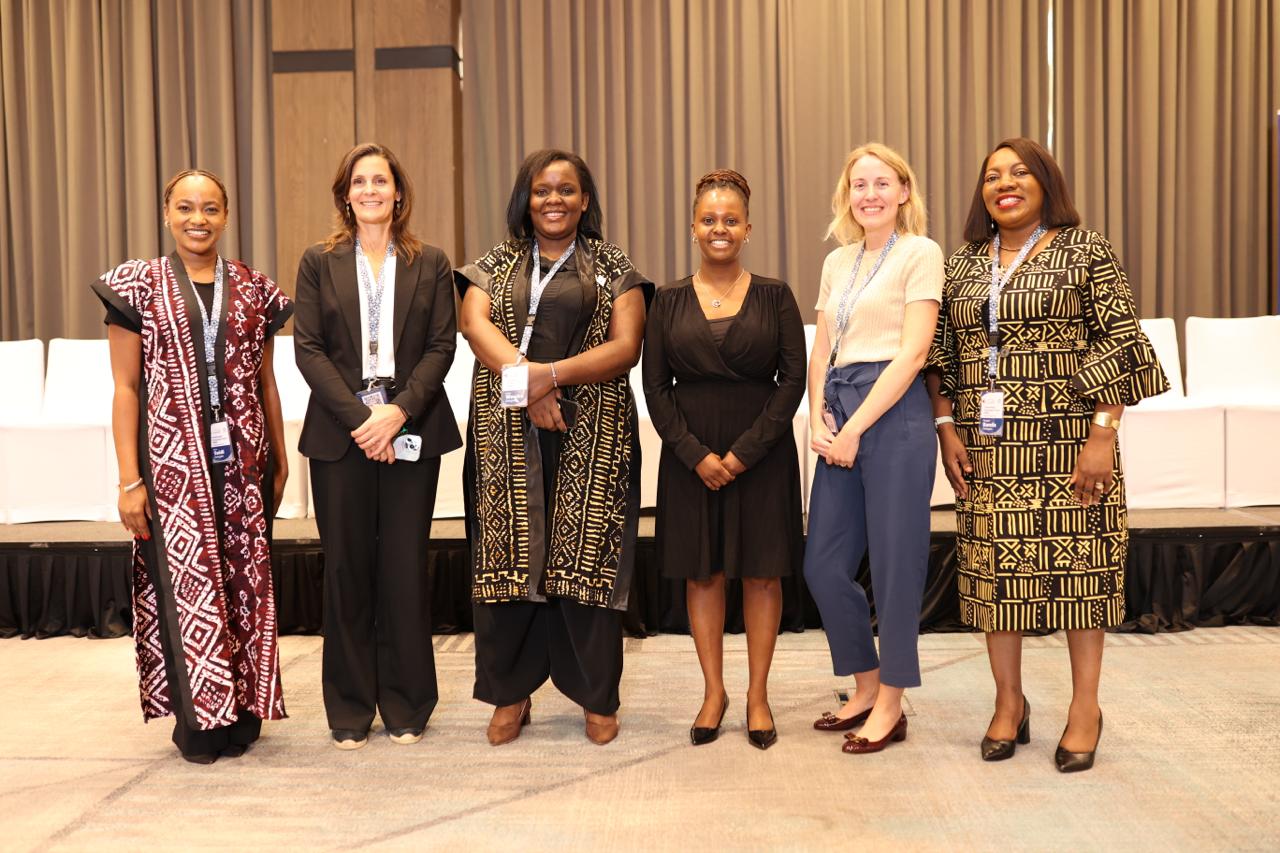
Three decades later, Kenya has made significant strides in fulfilling some of these commitments, implementing policies, reforms, and initiatives that have positively impacted the lives of women and girls. While challenges persist, there is undeniable progress in key areas.
- Legal and Policy Reforms for Gender Equality
Since 1995, Kenya has enacted progressive laws and policies to promote gender equality and safeguard women’s rights. The Constitution of Kenya (2010) was a landmark achievement, in which gender equity was embedded as a fundamental right. Besides that, there have been several other legislative and policy achievements including:
- The Sexual Offences Act (2006): This Act has strengthened legal responses to sexual and gender-based violence (SGBV) by criminalizing various forms of sexual violence and increasing penalties for offenders.
- The Prohibition Against Female Genital Mutilation (FGM) Act (2011): This Act provided strict legal penalties against perpetrators of FFGM and established a board to oversee the eradication of FGM.
- The Protection Against Domestic Violence Act (2015): This Act recognized domestic violence as a crime and provided survivors with protective measures, including restraining orders.
- The Children’s Act (2022): This Act criminalized child marriage, child trafficking, and harmful cultural practices that negatively affect children, especially girls.
- The Employment Act (2012, revised in 2021): The Employment Act ensured maternity and paternity leave, workplace protections against discrimination, and provisions for breastfeeding mothers in workplaces.
- The National Policy on Gender and Development (2019): This policy established a framework for gender-responsive governance, mainstreaming gender considerations in all sectors.
Overall these policies have strengthened women’s rights, provided mechanisms for justice, and increased accountability for gender-based discrimination and violence. However, there is need for continuous advocacy as enforcing these policies and legislations remains a challenge.
- Women and Leadership
Political participation is a key pillar of gender equality. On this front we have made notable progress in enhancing women’s participation in leadership and governance.
- So far women’s representation in the judiciary has reached 44%. As a matter of fact, the county recently achieved a historic milestone after appointing a female Chief Justice and Deputy Chief Justice.
- Further, the number of women governors increased from 6.3% in 2017 to 14.9% in 2022 and although this number is still a far cry from where we need to be, it is a promising step in the right direction.
- Additionally, women now hold 36% of corporate board positions, a much higher figure than the global average of 23%.
- Women’s representation in Parliament, while still below the constitutional two-thirds gender rule, has seen gradual improvements.
- Local governance structures have also embraced gender inclusivity, with more women assuming leadership roles in county assemblies and community-based decision-making structures such as chiefs and so on.
The inclusion of women in leadership and governance has contributed to more gender-sensitive policy making, particularly in areas such as health, education, and economic empowerment. However, barriers such as gendered political violence, technology-facilitated gender based violence (TFGBV) and systemic exclusion continue to hinder full participation.
- Strengthening Response to Sexual and Gender-Based Violence (SGBV)
Since the Beijing Declaration and Platform for Action (1995), Kenya has made significant progress in addressing GBV through policy, legal, and institutional reforms. For instance, 12 specialized GBV courts have been established with the aim of expediting the handling of GBV cases and ensuring survivors receive justice faster and more efficiently.
Perhaps as a result of such specialised courts as well as several policy and legal reforms in the SGBV space, there has been a decline in GBV prevalence. Data from the KDHS 2022 survey indicates that intimate partner violence cases have decreased, with physical violence reducing from 22.6% in 2014 to 16.0% in 2022.
There have also been increased awareness campaigns and community interventions which have helped shift cultural norms that normalize GBV.
The National GBV Strategy (2020-2024) has provided a coordinated response framework that prioritizes survivor-centered approaches, including psychosocial support, legal aid, and economic empowerment programs for GBV survivors.
It is worth noting that despite these efforts, underreporting, stigma, and weak law enforcement responses continue to hinder full protection for survivors and victims of SGBV.
- Women’s Economic Empowerment and Financial Inclusion
Economic empowerment is another key driver of gender equality, and the government has implemented several initiatives to enhance women’s access to financial opportunities:
- Under the Women Enterprise Fund (WEF), over $150 million has been disbursed, enabling women entrepreneurs to expand their businesses and participate in wealth creation.
- 30% of government procurement opportunities are reserved for women, youth, and persons with disabilities under the Access to Government Procurement Opportunities (AGPO) Program, giving this group that is often excluded, overlooked and underserved more access to economic and financial opportunities.
- Financial literacy and digital economy initiatives such as Ajira Digital and Jitume Hubs have equipped thousands of women with essential digital skills, enabling them to thrive in the gig economy.
- Microfinance and savings cooperatives (SACCOs) have provided low-interest credit facilities tailored for women entrepreneurs.
These programs have significantly increased women’s financial independence. However, challenges such as gender pay gaps, limited access to high-value markets, and cultural biases in business ownership persist.
- Education and Skills Development
There has been significant progress in ensuring access to education for girls as a way of bridging the gender divide.
- As of 2025, gender parity in primary education has been achieved, with a Gender Parity Index (GPI) of 0.97.
- Free and compulsory primary education policies have increased school enrollment for girls, reducing early dropout rates.
- The sanitary towel program provides menstrual hygiene support for over 2.3 million girls in public schools, reducing absenteeism caused by a girls lacking access to sanitary products.
- TVET institutions have introduced gender-responsive policies, increasing the enrollment of women in technical and vocational training fields.
Ultimately, increased access to education has contributed to better employment prospects for women and reduced vulnerability to early marriage and exploitation be it sexual, financial or otherwise.
- Enhancing Sexual and Reproductive Health Rights (SRHR)
Since 1995, several gains have been made in SRHR including:
- Skilled birth attendance which has increased from 41% in 2003 to 89% in 2022, significantly reducing maternal mortality rates.
- Modern contraceptive prevalence rates have risen from 49% in 2020 to 74.7% in 2022, giving women greater control over their reproductive choices.
- There has been expansion of maternal healthcare services through initiatives like Linda Mama, which provides free maternity care.
These gains have improved maternal and child health outcomes, but access to comprehensive SRHR services, particularly for adolescents and women with disabilities, remains a challenge.
How do we keep the momentum going?
Kenya’s progress under the Beijing Declaration is commendable. The country has strengthened its legal frameworks, expanded economic opportunities, improved GBV response mechanisms, and increased women’s political participation. However, persistent challenges including the rise in femicide, economic disparities, weak enforcement of gender laws, and pushback from anti-rights movements demonstrate the need for continued advocacy.
In this regard, the Coalition on Violence Against Women (COVAW), committed to realizing the Beijing Declaration’s vision, has been pushing for legal reforms, providing survivor support, and advocating for gender-responsive policies. At Our key achievements include:
- Contributing to the development of progressive laws like the Protection Against Domestic Violence Act (2014) and the Sexual Offences Act (2006).
- Collaborating with the Judiciary Committee to develop the Criminal Procedure Bench Book, which accommodates persons with intellectual disabilities in legal processes.
- Supporting intellectually challenged survivors of sexual violence through strategic litigation, leading to the amendment of discriminatory laws.
- Conducting awareness campaigns and training intermediaries to ensure access to justice for vulnerable groups.
There is still a long way to go but we believe that together, we can make gender equality a reality.